How to Write a Strong CV for Jobs Anywhere in the World
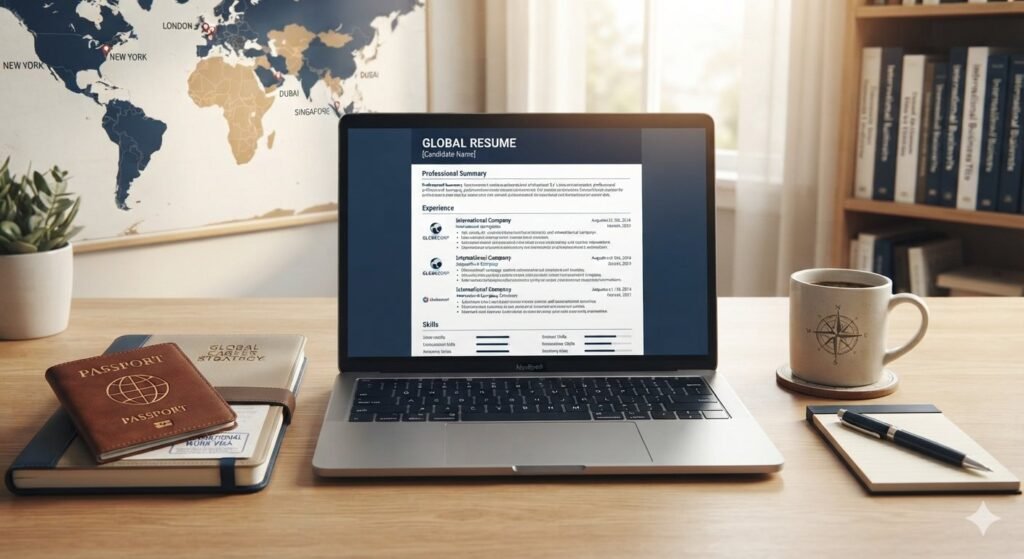
A well-written CV gives an employer a clear picture of your experience, skills, education, and suitability for a role. It should be easy to read, accurate, and tailored to the job you are applying for.
Start with clear contact details
Place your name and contact details at the top of the CV. Include your phone number, professional email address, town or city, and a LinkedIn or portfolio link if it is relevant.
Use a professional email address and check that your phone number is correct. You do not need to include unnecessary personal information such as your national identification number, marital status, or religious beliefs unless an employer specifically requests information for a lawful and relevant purpose.
Write a short professional summary
Your professional summary should briefly explain who you are, what you can do, and the type of opportunity you are seeking. Keep it focused on the role.
For example:
An organised accounting graduate with practical experience in bookkeeping, Excel, financial documentation, and customer service. Seeking an entry-level accounting or finance role where strong attention to detail and willingness to learn can support the organisation’s work.
Match your skills to the vacancy
Read the job advert carefully and identify the skills the employer values. If the advert mentions customer service, data entry, project coordination, Microsoft Excel, sales, or communication, show how you have developed or used those skills.
Do not simply copy a long list of keywords. Support your skills with evidence from work, school, volunteering, internships, projects, or community activities.
Describe achievements, not only duties
Instead of writing only:
- Responsible for serving customers.
write something more specific, such as:
- Served customers, recorded enquiries accurately, and helped resolve routine issues while maintaining a professional service experience.
- Where possible, include numbers, improvements, targets, or outcomes.
Keep the design simple
A CV should be easy to read on a phone and on a computer. Use clear headings, consistent spacing, readable fonts, and short bullet points. Save the final document as a PDF unless the employer requests another format.
Use a clear file name such as:
- YourName_CV.pdf
Check your CV before sending it
Before applying, check spelling, grammar, dates, contact details, job titles, and employer names. Make sure the information is truthful and that the CV matches the role you are applying for.
A strong CV cannot guarantee an interview, but a clear and relevant CV makes it easier for an employer to recognise your potential.
Find suitable opportunities
After updating your CV, explore the latest job opportunities on JobLinkZone and tailor your application to each relevant vacancy, whether it is local, regional, or international.